Andrew's Nursery
Bare Root Plant Guide 2023
Navigate To A Plant Type:
About My Nursery
I am focused on bare root plants that are edible, medicinal, good for wildlife or pollinators, native, or generally useful (erosion control, wood value etc.). Most of the plants have some combination of these qualities.
Check out my new basics of bare root page to learn about how bare roots plants are grown and when we plant them.
To Order Plants, Or Schedule A Visit:
Contact Andrew Sblendorio:
Phone:
315-939-3949
Email:
andrewsplantnursery@gmail.com
Old Path Farm (Nursery Location)
9035 Grange Hill Rd. New Hartford, NY
Scheduling a visit:
The farm and the nursery do not have regular hours. Please contact me if you’d like to stop by!
I enjoy working with people very personally on their plant selection if they’d like. I’d love to give you a tour of my nursery beds, show you where these plants have been growing, and allow you to spend some time getting to know the plants you could bring into your life.
Give me a call or send me an email, and we can start talking about what plants you’re interested in and schedule a meeting.
Shipping:
I am doing a limited number of plant shipments. Please email me if you are interested in having plants shipped to you.
Prices:
The following is my general price structure:
First Year Woody Plants:
1-4 Plants – range from $10-$12 each
5-10 Plants – range from $8-$10 each
10+ Plants – range from $6-$8 each
Second Year Woody Plants: $15 each
Trees which run on the smaller side will be noted and priced accordingly.
Herbaceous Perennials have a lower price per plant. I do my best to come up with a fair price that works for both of us. Please contact for a specific price.
I also have high quality reusable metal guards for protecting plants from animal pressure. The prices are as follows:
Vole Guards: $7 each
Deer Rings: $20 each
Trees
- Nut Trees -
~ Generally, if you are interested in getting nuts from your trees, two trees are required to cross pollinate each other. If you already have a wild tree of the same species nearby, that could serve as a perfectly compatible cross-pollinator.
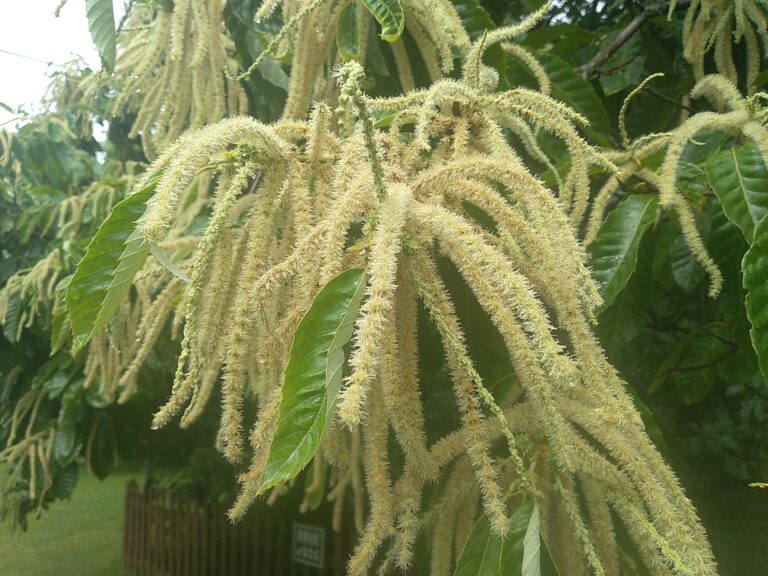
- Chestnut
Not long ago, one of the most dominant trees in Eastern forests. The nuts are an amazing source of food for the homestead and for wildlife. Rich in carbohydrates, but grows on trees!
1st year trees available
- Hazelnut
The nuts are super high in protein, the very high oil content makes regional vegetable oil production possible, and the stems can be regularly cut to the ground to generate excellent pole wood. Become a part of the budding NYS Hazelnut movement!
- Oak
Strong and long lived, the Oaks are ancient elders. The only tree held in such high regard by the Indigenous Americans that the nut has its own name: the Acorn. This hybrid of Bur Oak crossed with Gamble Oak should produce a large crop of acorns at a young age.
- Yellow Bud Hickory
One of the highest oil contents of any nut, this tree could become the basis of a regional tree oil system. Large long lived trees made of very tough wood.
- Shagbark Hickory
One of the most delicious nuts known, this tree lives up to its name with its distinctive shaggy bark. Its wood is highly valuable for tough tasks like axe handles.
- Walnuts: Butternut (White Walnut) and Japanese/Black Walnut Hybrids
The walnuts are elegant, almost tropical looking trees with complex leaves.- The Butternut Walnuts are native to our region. These trees produces football shaped nuts with a buttery texture. The Butternut is unique in the pure presence and shade it offers to its environment. Often broader than tall.
- Japanese Walnuts have a similar look to Butternut, except the Japanese Walnut produces small heart-shaped walnuts. These trees are from a Japanese Walnut which is growing in close proximity to other Japanese Walnuts as well as Black Walnuts. Walnuts hybridize readily, so these are certain to yield a brand new genetic combination!
- These trees have not been selected for the highest quality edible nuts, they were selected based on tree health and cold hardiness (easily Zone 4). However I do have a limited number of first year Butternuts grown from seed selected by Akiva Silver of Twisted Tree Farm, who is known for making high quality seed selections.
- Fruit Trees -
Seedlings are new plants grown from a seed. Usually, when someone calls a plant a seedling, they mean that the plant is in its first growing season, the seed sprouted earlier this year. Seedling trees are always a new adventure, because seedlings always express genetic differences from their parents.
With some plants I offer, like Hazelnut, any given seedling will be similar enough to its parents that most people will get exactly what they expect from a Hazelnut plant.
With fruit trees however, it is often important to note if a tree is a seedling. That’s because, for example, seedling trees grown from seeds from the inside of a Honeycrisp apple will not someday bear fruit that tastes like a Honeycrisp apple. They will bear a brand new fruit with new qualities and a new taste. This can be an exciting adventure as one discovers these new fruits. Some species of trees grow more similarly to their parents than Apples do, two examples are Apricots and Peaches.
> Growing seedlings is a great service to the different species of trees, because it quickly brings many genetically new individuals into existence, and these new individuals will make more seeds, thus the gene pool of the species will be greatly expanded thanks to our help.
> In some cases a seedling can be male or female, with females bearing fruit and males contributing pollen. Usually in the early years before flowers emerge on a tree, it is impossible to determine the sex of the tree. These are called unsexed seedlings. Because the sex of the tree is unknown, it may make sense to plant multiple trees if you’d like to ensure a female is in the group. But if you do end up with a male, often times female wood can be grafted on to the tree to create a fruit bearing branch.
> Grafting is a way to clone fruit trees. It allows us to predictably grow Honeycrisp Apple Trees, or modify existing trees. Grafting involves, for example, taking a branch from a Honeycrisp tree, and roots from another Apple tree, and making special cuts to allow us to stick the two pieces together, connecting them. As the pieces heal together, a new tree is formed with known characteristics.
- Apricot – Seedling
Sweet and small fresh fruit. A wonderful summertime snack. The young trees are a wonderful ornamental because of their delicate leaves, worth planting for the looks alone.
Generally, Apricots and Peaches are said to come back 90% similar to their parent trees, and these seeds came from exceptional parentage, so they should produce a great tasting fruit.
- Peach – ‘Siberian C’ Seedling
Fresh peaches from your own small backyard tree. What a gift. See Apricot entry above for notes about seedlings.
- Paw Paw – seedling
A fruit whose mystique is growing every year, this is a very tropical fruit from a northern growing, shade loving tree! Wow! Can only be enjoyed fresh soon after ripening which is why you’ll never see paw paws in stores. These seedlings come from the soon-to-be-legendary tree of Bill Schuster. Two trees recommended for pollination
1st year trees available
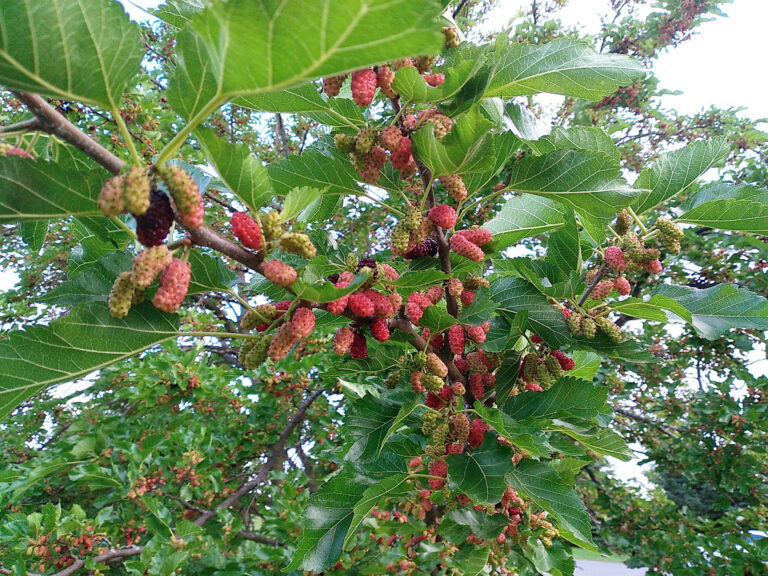
- Mulberry – unsexed seedlings
Imagine black raspberries growing on trees, and you start to appreciate the wonders of the mulberry tree. Early ripening fruit is a special way to start the fruit season. Young leaves are very high in protein.
Recommended planting: three trees to get a female, or, think about grafting female wood on later.
- American Persimmon – unsexed seedlings
A delicious fruit which remains delectable even after frosts. A rich fruit much loved by humans and wildlife alike.
See “Mulberry” entry above for ideas about planting unsexed seedlings.
- Chokecherry – seedling
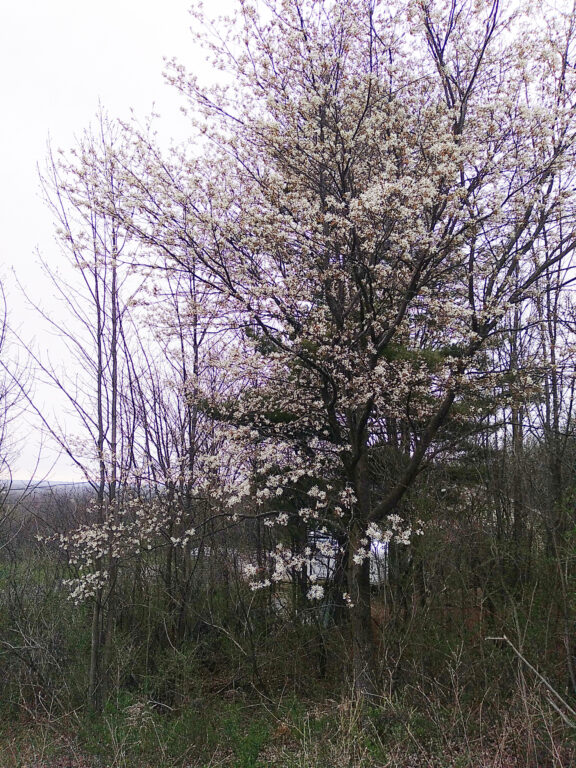
A shade loving understory tree rich with astringent, nutritious fruit that birds love. Reportedly a historically important source of fruit for some Indigenous Americans. The name comes from the toxicity of the leaves to ruminant animals (cows, deer etc.). Great wildlife tree. Beautiful spring flowers.
- Pioneer Trees -
~ These trees are some of the first to arrive after an area has been disturbed. They can grow in some of the worst conditions trees can overcome, including very little soil.
Plant well and they can thrive and grow quickly. Expect to give these as much sun as possible.
- Cottonwood
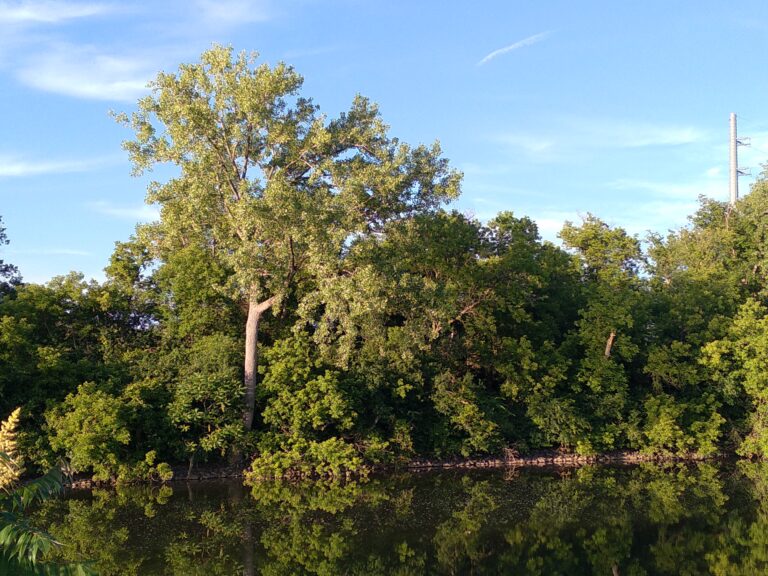
Can grow in mere inches of soil and begin to rejuvenate battered land. Leaves shimmer and sparkle in the slightest wind. Can become a huge tree. Common near water.
- Balsam Poplar
Super cold hardy tree, we are actually at the southern end of its range! Deep green glossy leaves, revered for its resinous medicinal buds.
~ What is Nitrogen Fixation?
Nitrogen is one of the most critical nutrients plants need to grow. The atmosphere is around 70% nitrogen, however it is fairly rare in the soil. Certain plants have the ability to take Nitrogen out of the atmosphere and put it into the soil. These plants are called Nitrogen Fixers.
- Black Locust – nitrogen fixer
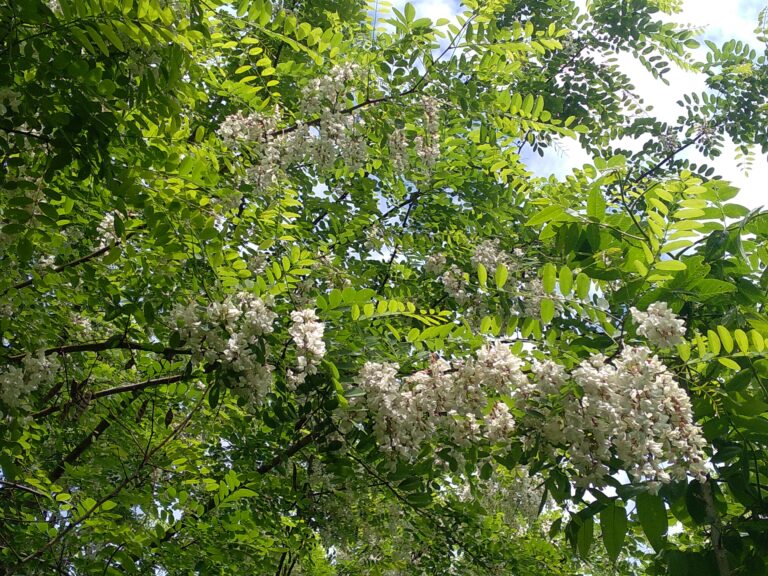
One of the hardest woods known, well established as one of the best woods for fence posts. Showy late spring clusters of white flowers are excellent for pollinators and delicious! Great tree for beekeepers.
- Natives -
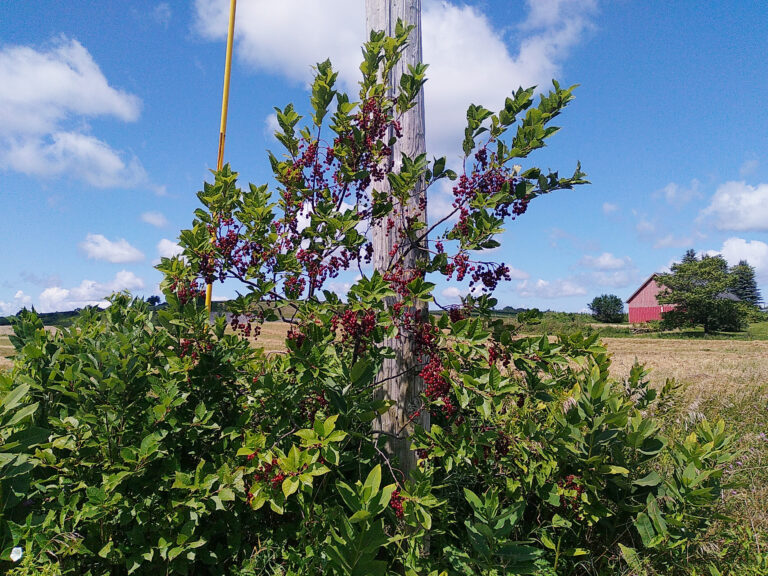
~ Many other trees listed above are native as well: Paw Paw, Persimmon, Juneberry, Chokecherry, Cottonwood, Balsam Poplar, and Black Locust.
- Catalpa
Commonly known as the bean tree, this distinctive broad leaf tree is unmistakable in our region, no other tree has such large, broad, heart shaped leaves. Puts on a showstopping bloom of white flowers in early Summer.
Eastern Red Bud– SOLD OUT
A well-known native favorite that is covered head to toe in pink flowers in mid-spring, much cherished by pollinators. 2nd year trees available
- Osage Orange
Another of the hardest woods, revered by bow-makers (an Osage bow used to go for the price of “one horse and one blanket”). The thorny tree makes a great addition to the hedgerow, a thicket can produce an impenetrable hedge.
1st and 2nd year trees available
- Silver Maple
Fast growing Maple, native to swamps and wet low lands, but very versatile tree which can grow in a variety of tough conditions. Silvery under sides of the leaves glisten in the wind. Deposits many dried sticks which can be used for starting fires, and can be tapped for Maple Syrup, but reported to yield less sap than Sugar Maples.
Shrubs
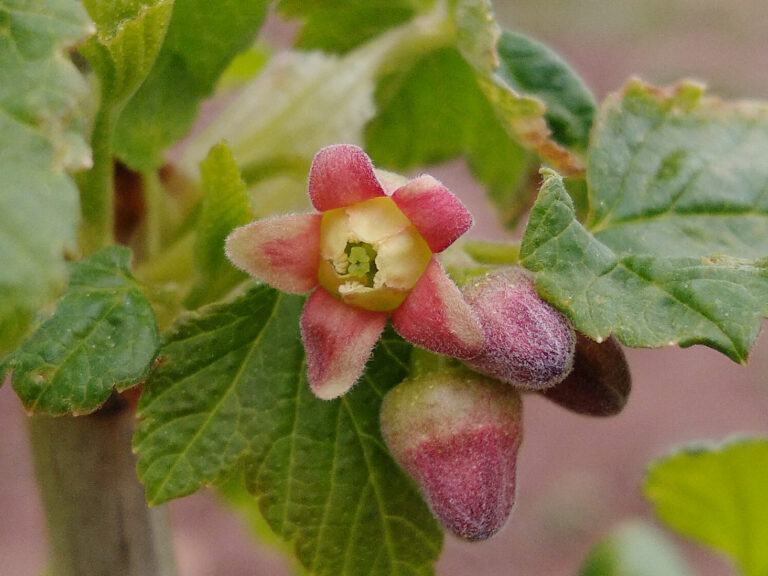
- River Locust – nitrogen fixer
Wonderfully complex purple-orange flowers. Can be managed as a small tree or a bush, doesn’t mind part shade and likes a wetter location. Grows vigorously after year one if happy.
- Currants
This once-illegal understory shrub produces sweet clusters of hanging fruit, and is happiest in part-shade. Red, Pink, and a few Whites are available in the sweet realm. Black Currants have a taste all their own and are considered to be very nutritious. I also have Jostaberry available, which is a cross of a Gooseberry and a Black Currant. Exciting!
Elderberry– SOLD OUT
Many began hearing of this healing plant during the pandemic, but this plant has been healing for a long time. Highly medicinal. Large and showy white flower clusters lead to deep purple berries with a variety of culinary and medicinal uses. Likes to spread by underground runners which can be a gift! A number of new cultivars are available this year. Two varieties required for fruit set (not flowers).
- Aronia – Aronia melanocarpa –
‘Viking’ seedling
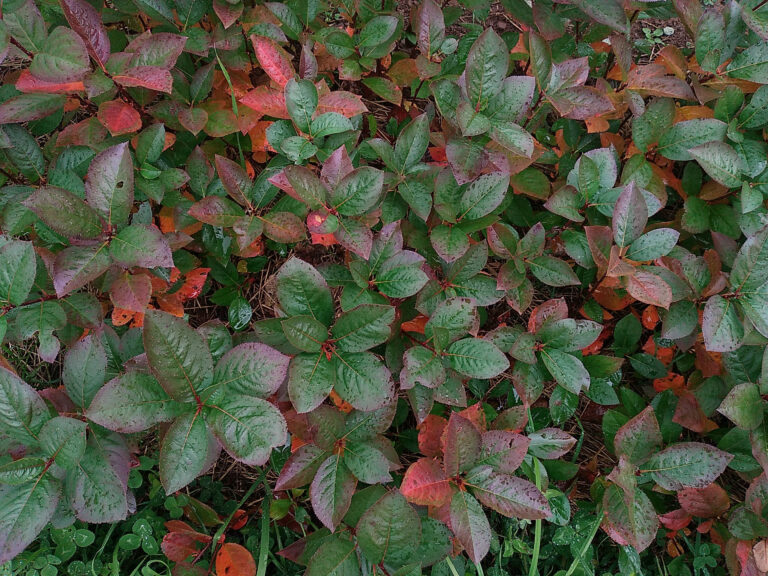
An all around home run. Rose like leaves on slender stems, with white rose family flowers, super nutritious berries for juicing, and complex autumn foliage. Berries have been shown to have a number of health benefits in studies, due to their array of vitamins, minerals, and other secondary plant compounds. 2nd year plants available.
Willows
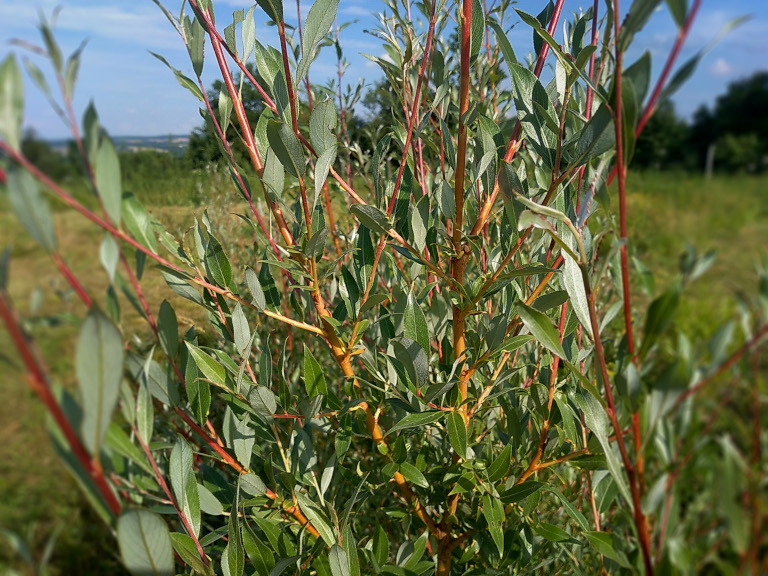
~ Willows are an ancient, highly diverse genus of plants unlike any other.
RubykinsSOLD OUT
A narrow, columnar, red-tipped Japanese willow. Elegant. Can be utilized for basket weaving.
- Curly Willow
This unusual willow has leaves and branches which twist and curl into many beautiful forms. Grows quickly and is quite versatile like many of the willows.
- Britenzis
Bold red stems and crisp silvery foliage make this a striking ornamental with winter interest, also a nice variety for basket weaving.
- Viminalis
Deep green foliage, fast growing, excellent for spring pollinators. This will explode with insect activity on the first 60 degree day in spring. Reported to spread by runners, so adds additional value for erosion control.
- Streamco
This selected streambank stabilizing variety holds on to soil and shades water. Also great for borders and living walls. Bushy. Nice blue green tones. An excellent erosion control willow.
- American Pussy Willow
A select cultivar featuring large silvery catkins, which develop to yellow as pollen is released on this male variety.
- Bebbs
Also known as the Diamond Willow, one of the most widespread willows in North American. Wood has a multitude of uses and is prized by woodworkers when it develops a special diamond grain pattern. Fibers can be used to make your own rope. Bright spring catkins (willow flowers) and leathery green leaves. Can be thicket forming.
- Weeping Willow
The famous fountaining weeping-willow form, an elegant full sized tree. Featured beautifully in Roscoe Conkling Park in Utica.
MiyabenaSOLD OUT
Large, very fast growing Japanese willow great for coarse basketry and living walls, with combinations of greens, browns, and yellows.
Herbaceous Perennials
~ These plants come back year after year once established, but their tops die back over the winter.
> I am including scientific names for clarity here because of the widespread use of multiple common names for some species.
Natives
- Senna – Senna hebecarpa
Many little leaflets support yellow flowers with brown accents. A potent medicinal which is very attractive to pollinators. Seeds are great food for wild turkeys until they release from the pods.
- Early Sunflower – Heliopsis helianthoides
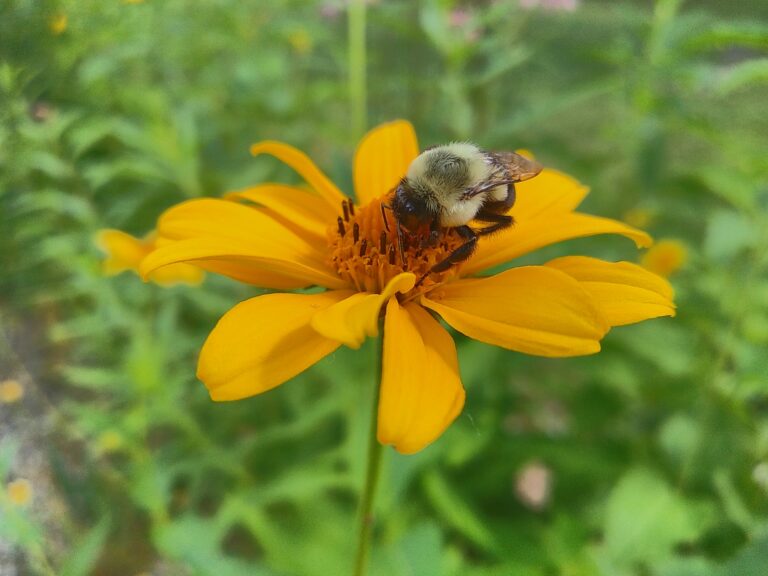
Show-stopping yellow sunflower like blooms which last for weeks in mid-summer. Adaptable to different moisture levels.
- Red Milkweed – Asclepias incarnata
Deep red-pink blooms loved by butterflies (especially monarchs) and other pollinators.
Orange Butterfly Weed – Asclepias tuberosaSOLD OUT
Lower lying plant with radiant orange blooms, loved by butterflies.
- Echinacea – E. pallida
Highly medicinal plants. Both species feature pink to purple petals radiating around the distinctive cone head.
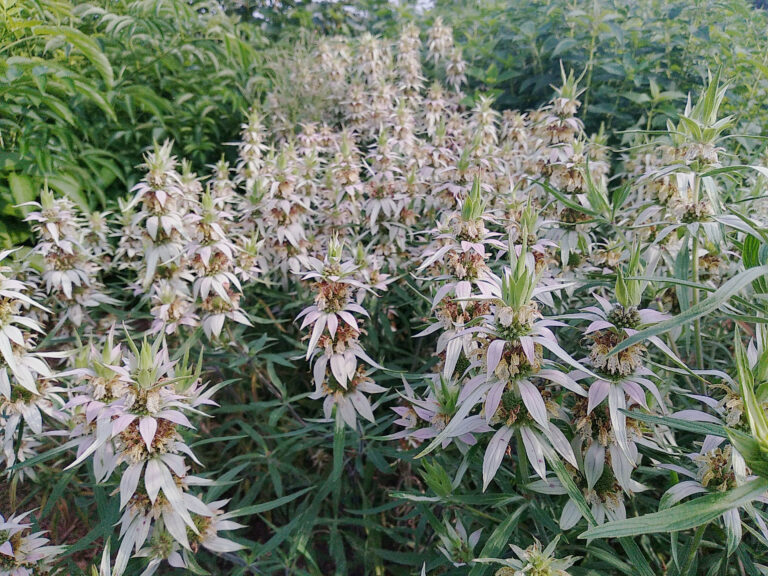
- Monarda – M.fistulosa
Monardas sport complex flowers, are great for teas and excellent for pollinators. Bradburiana and Punctata are shorter plants, Fistulosa grows 4-5’
- Nodding Onion – Allium cernuum
Edible native allium, nice for well maintained garden beds. Flower heads “nod off” and face the ground upon blooming.
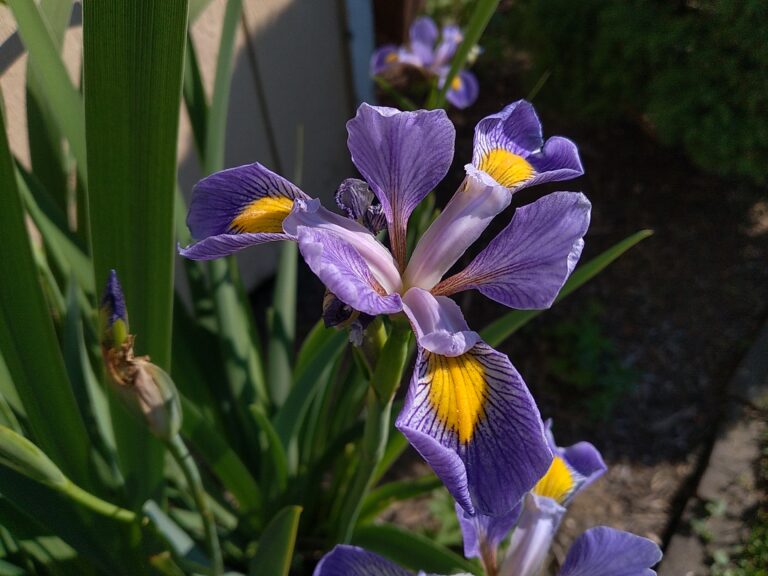
- Blue Flag Iris – Iris versicolor
Broad, sharp foliage, a lover of wet areas, but versatile enough to deal with some dryness. Complex blue-purple flowers with yellow accents. Medicinal.
- Sochan – Rudbeckia laciniata
Tall, assertive perennial provides edible spring greens with wonderful yellow flowers, prefers part shade. Can be an aggressive spreader.
Non-Natives
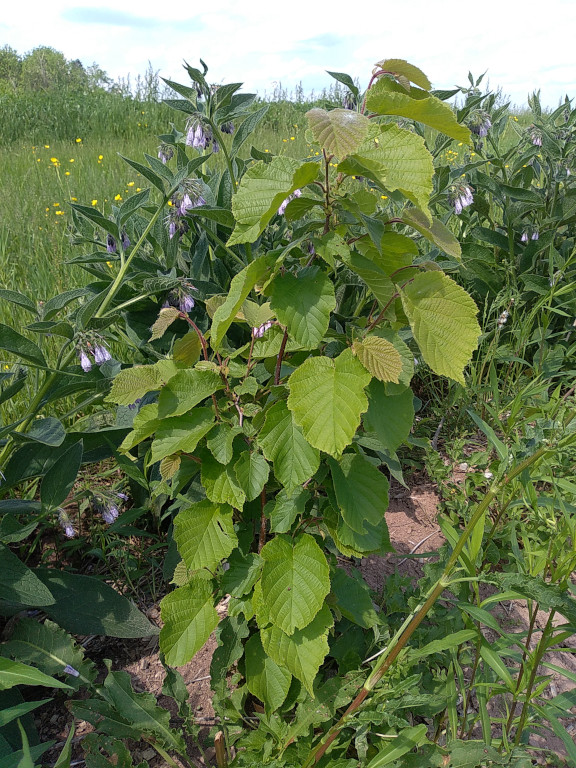
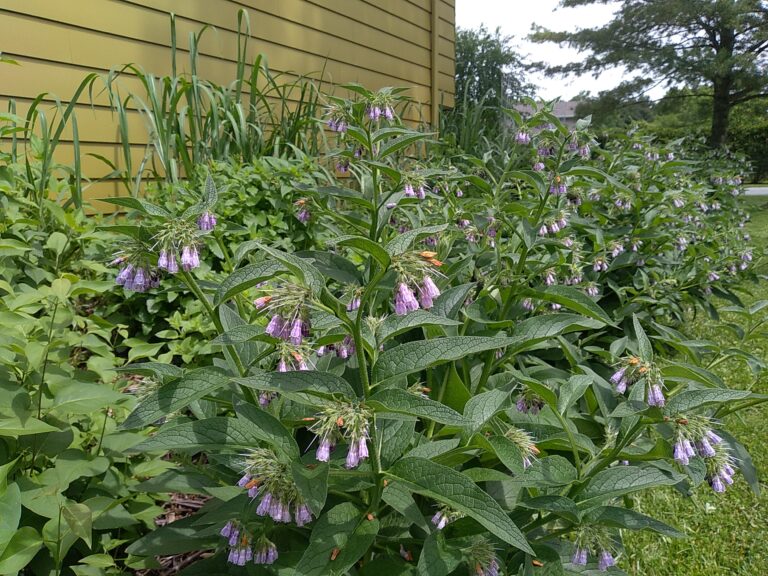
- Comfrey – Symphytum officinale
Broad green leaves give rise to purple hanging flowers that bumblebees love. Super versatile mulch and fertilizer plant, medicinal, very vigorous grower. Will stay in planting location permanently. This is the sterile “Bocking 14” variety, so will not spread by seed.
- Jerusalem Artichokes, Sunchokes – Helianthus tuberosus
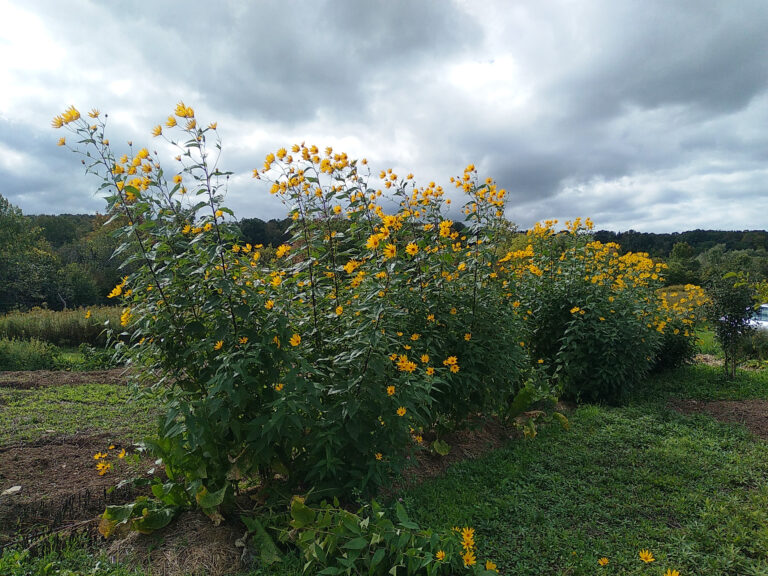
Stunning sunflowers with edible potato sized tubers! A great source of calories for little work up front. Prefers to be dug as often as possible. Aggressive spreader, but can be mowed to be contained.
- Bronze Fennel – Foeniculum vulgare
Fennel flavored leaves, flowers and seeds, the unusual purple foliage and contrasting yellow flowers bring in small pollinators from afar.
- Curly Mint – Mentha spicata “Crispa”
Fast spreading mint, with cascading purple flowerheads that attract an unbelievable variety of pollinators large and small.
- Good King Henry – Blitum bonus-henricus
Classic garden bed green, with edible spinach like leaves that are nice cooked, spreads easily by seeds.